
Açaí Bowls and Superfood Smoothies: The Real Science Behind the Hype
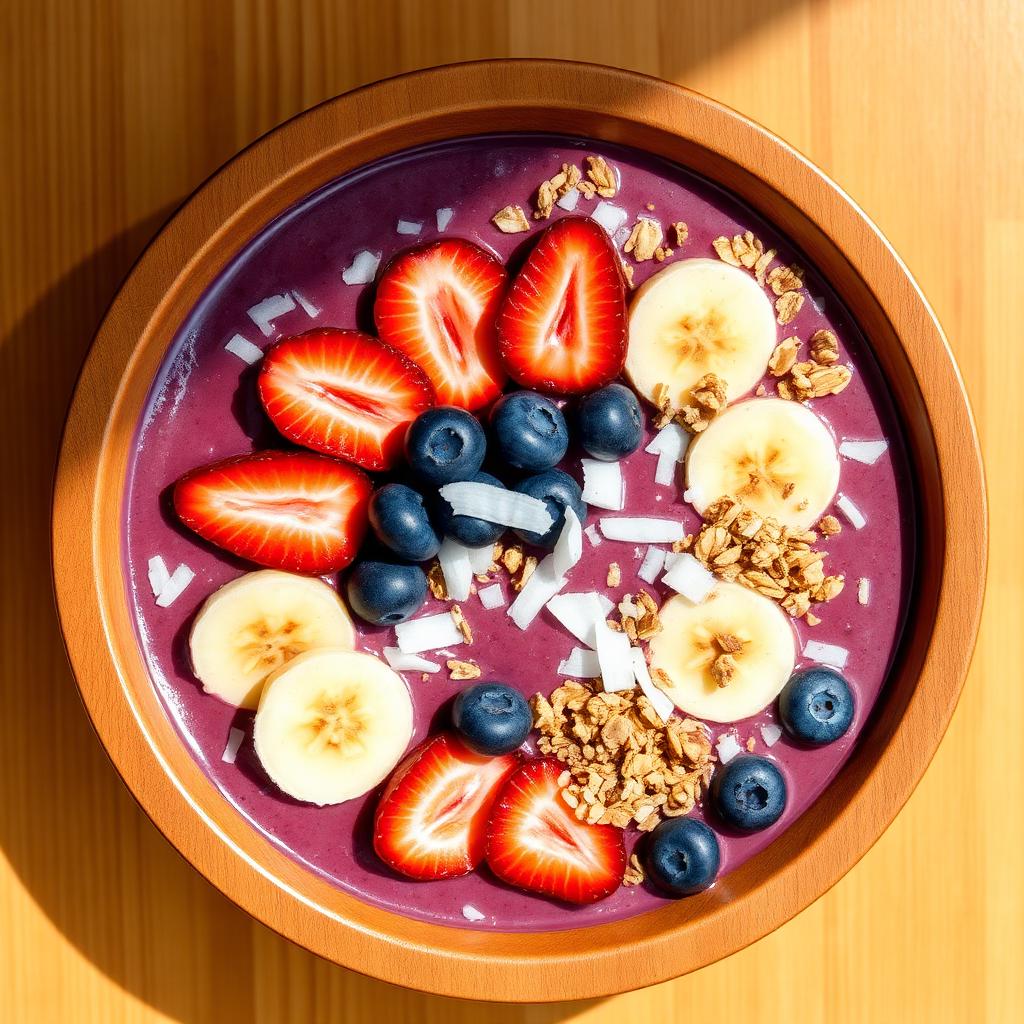
Walk into a smoothie shop in 2026 and you'll see the word 'superfood' on at least half the menu. Açaí bowls. Dragon fruit smoothies. Matcha. Spirulina. Maca. Cacao. The marketing is loud, the colors are beautiful, and the prices are higher than the regular menu. The natural question: is any of this actually doing something for you, or is it just expensive Instagram content?
We've sold a lot of açaí bowls and dragon fruit smoothies over the years, and we've also spent time reading the actual nutrition research behind each of these ingredients. Here's an honest, non-marketing look at what's worth ordering and what's worth skipping.
What 'Superfood' Actually Means (Spoiler: Nothing)
'Superfood' is not a regulated term. The FDA does not define it. European regulators actively ban it on product packaging because there's no scientific basis for the claim. It's a marketing word, full stop.
That doesn't mean the foods labeled as superfoods aren't nutritious — many of them are excellent. It just means the label itself tells you nothing. Blueberries are a 'superfood.' So are spinach, salmon, eggs, and oats. The word is mostly used to charge a premium for foods that look exotic.
The right question isn't 'is this a superfood?' It's 'what nutrients does this actually deliver, in what dose, and is it worth the price?' Let's go ingredient by ingredient.
Açaí: The One That's Earned the Hype
Açaí (ah-sah-EE) is a small, dark purple berry from the açaí palm tree in the Brazilian Amazon. It's been a staple food of the Amazonian Caboclo people for centuries. The modern hype is newer.
What research shows: Açaí is genuinely high in anthocyanins, the antioxidant pigments that give berries their deep purple and red colors. Anthocyanins have been linked in research to better cardiovascular markers, lower inflammation, and improved cognitive function in some studies. Açaí also contains healthy fats (similar profile to olive oil) and some fiber.
What's overhyped: Açaí is not a magic weight loss food, despite what late-2000s diet ads claimed. It will not detox you. There's no good evidence it cures anything.
What's real: It's a nutrient-dense fruit that's pleasant to eat and pairs beautifully with banana, berries, and granola. If you like the taste and the texture, açaí is a legitimately healthy choice — especially compared to most other dessert-like options. Our açaí bowls and açaí smoothies use a frozen unsweetened pulp from Brazilian suppliers and let the fruit do its own talking.
Watch out for: Sweetened açaí. Many bowls and packets are loaded with added sugar or fruit syrup. A real açaí bowl should taste lightly sweet from the banana and toppings, with a slight earthy tartness from the açaí itself. If it tastes like ice cream, it probably is.
Dragon Fruit (Pitaya): Beautiful, Mildly Nutritious
Dragon fruit is the bright pink or yellow tropical fruit with the speckled flesh. It looks unreal in a smoothie bowl.
What's real: Dragon fruit has decent vitamin C, some magnesium, prebiotic fiber that feeds gut bacteria, and the same anthocyanin antioxidants found in other dark-colored fruits (in the pink variety). It's a perfectly healthy ingredient.
What's overhyped: It's not nutritionally superior to a strawberry or a blueberry. The premium price is largely about color and novelty. If you love how it tastes (mild, slightly sweet, almost kiwi-like) and you want the visual punch, it's worth it. If you're paying double for what is essentially a less-flavorful blueberry, that's a choice.
Matcha: The Real Deal
Matcha is finely ground whole green tea leaves. Because you're consuming the whole leaf instead of just the steeped water, you get a much higher dose of the active compounds.
What's real: Matcha is rich in L-theanine, an amino acid that promotes a calm, focused mental state. Combined with its caffeine content, matcha delivers a smoother, more sustained energy lift than coffee for most people — without the jittery crash. It's also one of the highest-antioxidant beverages on the planet, particularly in EGCG (epigallocatechin gallate), which has solid research behind its anti-inflammatory effects.
What's real but overstated: Matcha will not melt off body fat. The metabolic boost is real but small.
What to watch out for: Ceremonial-grade matcha is bright, vibrant green and tastes clean and slightly sweet. Cheap matcha is dull olive-green, bitter, and often cut with other green powders. If you're paying for matcha, ask what grade.
Spirulina: Niche But Legitimate
Spirulina is a blue-green algae harvested and dried into a powder. It's roughly 60% protein by weight and contains a long list of vitamins and minerals.
What's real: As a plant-based source of complete protein, B vitamins, iron, and antioxidants, spirulina is impressively dense. For vegans and vegetarians, it's a useful supplement. There's also early evidence it may support blood sugar control and immune function.
What's overhyped: A teaspoon of spirulina in a smoothie is not going to dramatically change your nutrition. To get a meaningful dose, you'd need to take it consistently in larger amounts. As a 'green boost' for a smoothie, it's mostly a flavor and color additive — the dose is small.
Cacao, Maca, Goji, Camu Camu, and the Rest
Quick takes:
Cacao (raw chocolate, not Dutch-processed) is genuinely high in antioxidants and magnesium. A small amount in a smoothie is great. It's also delicious. Worth it.
Maca is an Andean root traditionally used for energy and libido. Research is mixed but generally positive. Effect is subtle. Try it if curious.
Goji berries are nutrient-dense but expensive per gram. A standard handful of raisins or blueberries delivers comparable benefits at a fraction of the price.
Camu camu is genuinely one of the most vitamin-C-dense foods known. Useful if you're targeting vitamin C specifically. Otherwise, an orange does the job.
Wheatgrass shots are concentrated chlorophyll and micronutrients. Small dose, big nutrient density. We love them.
How to Add Superfoods to Your Day Without Getting Scammed
A few principles:
Pay for whole foods first, supplements second. A smoothie with a banana, real berries, and a scoop of açaí pulp is doing more for you than the same smoothie with seven dust powders sprinkled in.
Watch the sugar. The most common superfood smoothie scam is loading a 'health' bowl with added sweeteners that erase the actual nutritional benefit. Always ask.
Be skeptical of any single ingredient that 'cures' or 'detoxes' anything. No food does this. Your liver and kidneys handle detox. Eat plants, drink water, sleep enough.
Try ingredients that fit how you actually like to eat. The healthiest superfood is one you'll actually consume regularly. If you don't like matcha, don't force matcha.
What We Sell, and Why
Our açaí bowls and smoothies use real frozen açaí pulp — unsweetened, sourced from established Brazilian suppliers. Our smoothies use real fruit, not fruit-flavored mixes. We carry wheatgrass shots, ginger shots, and a small set of high-quality boosters because they actually deliver something. We don't sell every trendy powder on the market because most of them aren't worth your money or our shelf space.
When you order a Power Açaí or a dragon fruit bowl from us, you're paying for the real thing, not a name on a sign. That's the most honest answer we can give to 'is this superfood worth it.'