
How to Build the Perfect Green Smoothie (That Actually Tastes Good)
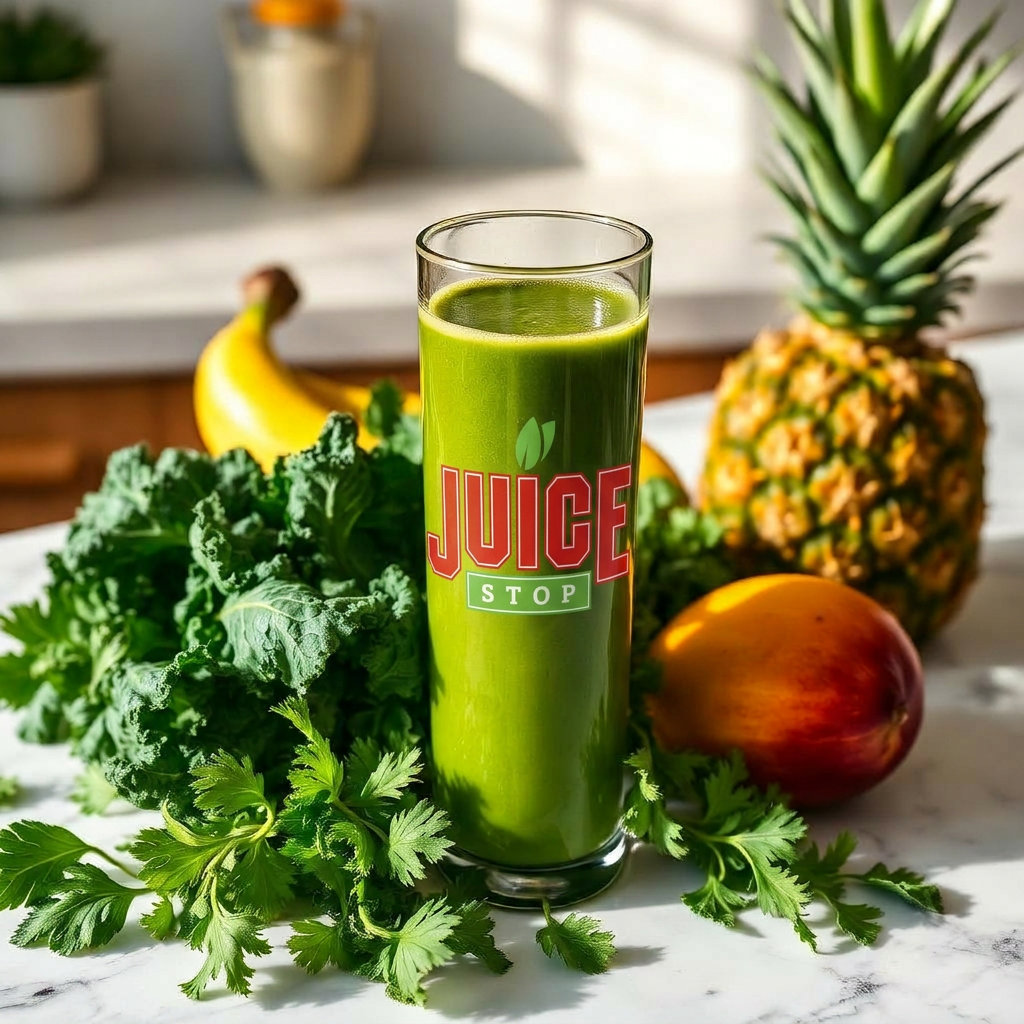
Most people's first green smoothie experience is rough. Someone — a friend, a fitness influencer, a wellness magazine — talks them into blending kale, almond milk, and a banana. They take one sip, taste cold lawn clippings, and decide green smoothies are not for them.
We get it. That smoothie wasn't built right. A great green smoothie isn't about choking down vegetables for the sake of it. It's about creating a drink that genuinely tastes like dessert while delivering a meaningful serving of greens and nutrients. That's not marketing — it's just formula.
Here's the same five-part framework our blender team uses to design every green smoothie on our menu, including our most-ordered Green Machine. You can use it at home tonight.
Step 1: Pick the Right Greens
Different greens behave very differently in a blender.
Spinach is the green smoothie gateway drug. It has the mildest flavor of any leafy green, blends to a smooth texture, and disappears completely behind sweeter ingredients. If you've never made a green smoothie before, start here.
Kale is more nutrient-dense than spinach but also more bitter and fibrous. Use it in smaller amounts and always pair it with a sweeter fruit base. Tip: tear kale off the tough center stem before blending. The stem is where most of the bitterness lives.
Romaine and butter lettuce sound weird but blend into nearly flavor-neutral smoothies. They're a great option if you want hydration and crunch without changing the taste.
Chard, collards, and arugula are more advanced — use sparingly and pair aggressively with sweet, bold fruit.
Herbs like mint, basil, and parsley count as greens too. A handful of mint in a strawberry-pineapple smoothie is one of the underrated combinations in the smoothie world.
For your first builds, start with two big handfuls of fresh spinach. That's roughly two cups, packed lightly. It looks like a lot — it blends down to almost nothing.
Step 2: Build a Sweet Fruit Base
The job of the fruit is to overpower the greens with flavor while contributing texture. The fruits that do this best are the ones with intense, recognizable sweetness:
Banana is the MVP. It adds creaminess, body, and a baseline sweetness that masks bitter greens. One whole banana, fresh or frozen, is the right amount for a 24oz smoothie.
Mango is the green smoothie's secret weapon. Its bright, tropical sweetness covers kale better than almost anything. A cup of frozen mango chunks transforms a 'meh' green smoothie into a five-star one.
Pineapple brings acidity that brightens the whole drink and contains the enzyme bromelain that helps digestion.
Berries (especially strawberries) work, but they turn your green smoothie an unappetizing brown. Stick to yellow and orange fruits for the prettiest results.
Apple adds sweetness without overwhelming flavor. Good supporting cast.
Use about 1.5 to 2 cups of total fruit per 24oz smoothie. More fruit = sweeter. Less fruit = more visible greens flavor.
Step 3: Add Creamy Body
Creaminess separates a satisfying smoothie from a thin one. Options:
Frozen banana (covered above) does double duty here.
Greek yogurt adds protein and a tangy creaminess.
Avocado — yes, in a smoothie — adds healthy fats and silky texture without changing flavor. Half an avocado per smoothie is the sweet spot.
Nut butter (almond, cashew, peanut) adds richness and staying power. One tablespoon per smoothie.
Frozen cauliflower (don't run away) is the wild card. A cup of frozen riced cauliflower adds body and almost no flavor, with the bonus of extra vegetables. Don't knock it until you try it.
Step 4: Choose a Liquid
The liquid you pour in determines the final taste and texture as much as the fruit does.
Coconut water is our default for tropical-leaning green smoothies. Light, slightly sweet, and full of natural electrolytes.
Almond milk is creamy and neutral. A great everyday choice.
Orange juice is bold and sweet — perfect if you want to mask a heavy green load.
Apple juice is mild and sweet — our pick for kid-friendly green smoothies.
Plain water works fine if you want to keep calories down, but the smoothie will taste flatter.
Start with one cup of liquid for a 24oz smoothie and adjust to your desired thickness.
Step 5: The Booster Layer
This is where you turn a good smoothie into a great one. Pick one or two, not all of them:
Fresh ginger (a thumb-sized piece) for warmth and digestive support.
Fresh lemon or lime juice (half a piece) to brighten everything else.
Chia or flax seeds (one tablespoon) for omega-3s and fiber.
A scoop of high-quality protein powder if you're using the smoothie post-workout or as a meal.
Hemp hearts for plant protein and a subtle nutty flavor.
Cacao nibs for crunch and antioxidants (works great with banana and avocado).
The Blending Order Matters
This is the part most people skip. Layer your blender in this order, bottom to top:
Liquid first. Then leafy greens. Then soft fresh fruit. Then frozen fruit. Boosters last. Blend on low for 15 seconds to break down the greens, then ramp up to high for another 30 to 45 seconds. The result is a smoothie that's actually smooth — no chunks of unblended kale floating on top.
Our Green Machine Recipe (Adapted for Home)
If you want to skip the math, here's a version of our Green Machine adapted for a home blender:
Two big handfuls of fresh spinach. One cup of frozen mango chunks. One cup of frozen pineapple. One fresh banana. One cup of coconut water or apple juice. Optional: half an avocado for extra creaminess, or a tablespoon of fresh lime juice for brightness.
Blend in the order above. Pour into a tall glass. Pretend you're at a tropical resort instead of a kitchen in March.
Common Green Smoothie Mistakes
Too many greens, not enough fruit. The 2:1 fruit-to-greens ratio by volume is your friend.
Wrong fruit pairings. Berries plus kale equals brown bitterness. Mango plus spinach equals tropical sunshine.
Skipping the creamy element. Without banana, yogurt, avocado, or nut butter, you get a watery, fibrous drink.
Under-blending. A weak blender or a short blend time leaves you chewing your smoothie. Run it longer than you think you need to.
Storing it for days. Green smoothies oxidize and lose vibrancy within hours. Drink them fresh. If you must make ahead, store in an airtight glass jar, filled to the top, in the fridge for up to 24 hours.
When to Just Let Us Do It
Home green smoothies are great. But there's also no shame in pulling up to Juice Stop and letting our team build one for you with frozen-at-peak fruit, real fresh greens, and the exact proportions we've spent twenty years perfecting. The Green Machine has converted more skeptics than any other smoothie on our menu.
Either way — homemade or to-go — once you taste a green smoothie built the right way, the lawn-clipping version becomes a bad memory.