Low-Carb & Keto Smoothie Guide: Smart Blending Tips
When you commit to a ketogenic or low-carb lifestyle, standard breakfast routines often shift toward bacon, eggs, and black coffee. While those staples certainly have their place, many people quickly find themselves missing the vibrant, crisp refreshment of a morning smoothie. If you glance at a typical blended beverage menu, it is easy to see why cautious dieters hesitate: standard smoothies can easily pack fifty or sixty grams of carbohydrates from fruit juices, sweetened yogurts, bananas, and honey.
However, sticking to your carbohydrate targets does not mean bidding farewell to blender culture. With a thoughtful approach to ingredients, liquid bases, and nutrient density, you can craft satisfying, nutrient-dense smoothies that fit seamlessly into a low-carb routine. Whether you are living in Sioux Falls and looking for a revitalizing post-workout beverage or blending up breakfast before braving a brisk South Dakota winter morning, learning the art of low-carb blending opens up a world of fresh possibilities.
In this comprehensive guide, we will unpack the foundational mechanics of low-carb and keto-friendly smoothie building. You will learn how to balance net carbs, harness the power of healthy dietary fats for texture, choose fruits that deliver maximum flavor with minimal sugar, and navigate menu customization when you are ordering on the go.
Decoding Carbohydrates in Smoothies: Total Carbs vs. Net Carbs
To construct a blender beverage that respects ketosis or general carbohydrate restriction, it is essential to understand how different carbohydrates behave in the body. Traditional smoothies often deliver a rapid influx of simple sugars because they rely heavily on refined fruit juices, concentrated purees, and tropical fruits like mangoes, pineapples, and ripe bananas. While these whole-food ingredients offer vitamins and minerals, their readily accessible fructose can elevate blood glucose and trigger an insulin response that temporarily interrupts fat-burning states.
Low-carb and keto strategies, by contrast, focus on net carbohydrates. Net carbs are calculated by subtracting dietary fiber (and certain non-caloric sugar alternatives) from total carbohydrates. Fiber passes through your digestive tract largely unabsorbed, meaning it does not contribute to the metabolic surge associated with simple sugars. In fact, fiber plays a vital role in slowing gastric emptying, promoting a sense of fullness, and supporting a healthy gut microbiome.
Why Texture Changes When You Cut High-Sugar Fruits
Bananas and mangoes are the unsung heroes of traditional smoothie texture. Their natural starches and soluble fibers create that thick, silky, milkshake-like consistency that people crave. When you remove them to reduce net carbohydrates, your blend can quickly turn watery, icy, or gritty if you do not replace that bulk with functional low-carb alternatives.
The secret to mastering low-carb smoothies lies in replacing starch-based viscosity with lipid- and fiber-based viscosity. By using ingredients rich in healthy fats and soluble mucilaginous fibers—such as avocado, chia seeds, and nut butters—you restore the lush, spoonable mouthfeel of a classic smoothie without loading up on fast-acting sugars.
Choosing Your Low-Glycemic Fruit Foundations
A common misconception about keto and strict low-carb eating is that fruit is completely off-limits. While you certainly want to bypass high-sugar varieties when maintaining ketosis, nature provides several vibrant, deeply flavorful fruits that fit comfortably into a mindful nutrition plan when enjoyed in measured portions.
The Power of Dark, Tart Berries
Berries are the undisputed champions of the low-carb fruit world. Raspberries, blackberries, and strawberries provide intense color, bright acidity, and complex sweetness alongside substantial amounts of dietary fiber. A half-cup serving of fresh or frozen raspberries, for instance, contains roughly seven grams of total carbohydrates, but approximately four of those grams come from fiber, yielding a net carb count of just three grams.
Blackberries boast a very similar nutritional profile, offering earthy sweetness and deep anthocyanin pigments that support overall cellular wellness. Strawberries are slightly higher in net carbs than blackberries or raspberries, but their bold, nostalgic flavor means a small handful goes a long way. Blueberries contain slightly more sugar per serving, so they are best utilized as a secondary accent rather than the bulk of your fruit base if you are following a strict ketogenic protocol.
Avocado: The Ultimate Smoothie Superfruit
Botanically speaking, the avocado is a single-seeded berry, and it happens to be the single most effective ingredient for keto-friendly blending. Half a medium avocado contributes nearly ten grams of heart-healthy monounsaturated fats, five grams of dietary fiber, and almost negligible net carbohydrates. Because avocado has a mild, buttery flavor profile, it seamlessly absorbs whatever flavors you pair it with, from rich dark cocoa to zesty lime and fresh berries.
Beyond texture, the fats present in avocado serve a physiological purpose: they enhance the bioavailability of fat-soluble vitamins (such as vitamins A, E, and K) found in your leafy greens and fruit additions. Incorporating frozen avocado chunks into your freezer prep routine is one of the easiest ways to ensure every smoothie you pour has a rich, velvety body.
Citrus Accents and Tropical Nuance
If you miss the tangy sunshine of tropical smoothies, look to citrus zest and fresh juice in minimal, concentrated amounts. A squeeze of fresh lime or lemon juice adds an invigorating brightness that cuts through heavy fats without contributing meaningful carbohydrates. Paired with unsweetened coconut cream, a splash of lime juice can create a refreshing, key-lime-pie flavor profile that feels deeply indulgent on a warm summer afternoon in Sioux Falls.
Liquid Bases: Ditching Juices for Nutrient-Dense Liquids
The liquid base is where standard commercial smoothies most often run off the low-carb rails. Traditional shops frequently use apple juice, orange juice, or sweetened dairy milks as the starting canvas for their blends. To keep your drink aligned with your metabolic goals, your liquid must be completely free of added sugars.
Unsweetened Plant Milks
Unsweetened almond milk is widely favored by low-carb enthusiasts for good reason. It provides a neutral flavor, pours with a clean consistency, and typically carries less than one gram of net carbohydrates per cup. Unsweetened cashew milk offers a slightly creamier consistency, while unsweetened macadamia milk provides rich, buttery notes and an optimal monounsaturated fat profile.
If you prefer a nut-free option, unsweetened coconut milk (the refrigerated beverage variety) yields a subtle tropical whisper with minimal carbs. For a thicker, more substantial beverage, you can dilute culinary canned coconut milk with water, giving your smoothie an exceptionally rich, decadent base that keeps hunger at bay for hours.
Cold Brew Coffee and Herbal Teas
Who says a smoothie must start with milk or water? Chilled cold brew coffee makes an extraordinary liquid foundation for low-carb morning smoothies. Blended with unsweetened cocoa powder, a scoop of clean vanilla protein, and a spoonful of almond butter, cold brew transforms into a frosty, mocha-inspired breakfast shake that delivers clean energy without a blood sugar spike.
Chilled brewed teas—such as earthy green tea, matcha, or floral hibiscus—also serve as vibrant, antioxidant-rich liquid bases. Hibiscus tea paired with frozen raspberries and lime creates an ultra-refreshing, ruby-red cooler, while ceremonial-grade matcha whisked into unsweetened almond milk yields a grounding, steady-burning afternoon pick-me-up.
Healthy Fats and Clean Proteins: Fueling Satiety
A frequent complaint among people transitioning to lower-carb diets is that low-calorie meals leave them hungry an hour later. The antidote to premature hunger is adequate dietary fat and high-quality protein. When combined, these two macronutrients stimulate satiety hormones like peptide YY and cholecystokinin, signaling to your brain that your nutritional needs have been thoroughly met.
Seeds: Chia, Hemp, and Flax
Whole and ground seeds are nutritional powerhouses that punch well above their weight in a blender. Chia seeds, for example, possess hydrophilic properties, meaning they absorb several times their weight in liquid and form a gelatinous coating. This characteristic helps thicken thin liquids into a rich, spoonable consistency while delivering plant-based omega-3 fatty acids and abundant soluble fiber.
Hemp hearts provide a soft, nutty flavor alongside complete plant protein, containing all nine essential amino acids. Because they blend completely smooth without requiring straining, hemp hearts are an effortless way to sneak extra fuel into any berry or green smoothie. Ground flaxseed contributes a warm, toasty flavor and rich lignans, further supporting digestive regularity and structural thickness.
Premium Nut and Seed Butters
A generous tablespoon of unsweetened almond butter, peanut butter, walnut butter, or sunflower seed butter brings depth, body, and steady fuel to your glass. When selecting nut butters, check the ingredient label carefully to ensure it contains only roasted nuts and perhaps a touch of sea salt. Avoid jars that incorporate added sugars, hydrogenated vegetable oils, or palm oil stabilizers.
Choosing the Right Protein Powder
Protein is the structural backbone of any meal-replacement smoothie, particularly if you are active or strength training around the Sioux Falls fitness circuit. However, protein powders vary dramatically in their carbohydrate contents.
Whey protein isolate is an exceptional option for dairy-tolerant individuals because the isolation process strips away virtually all lactose, leaving a high-purity protein that mixes light and frothy with nearly zero net carbs. If you prefer plant-based proteins, look for unflavored or stevia-sweetened pea, pumpkin seed, or brown rice protein isolates. Always scan the nutritional panel for hidden maltodextrin, cane sugar, or high-glycemic fillers that can unexpectedly compromise your carbohydrate ceiling.
Sneaking in Greens Without Bitterness
Vegetables are an indispensable component of successful low-carb nutrition, offering vital micronutrients, electrolytes like potassium and magnesium, and essential roughage. Smoothies represent one of the most convenient vehicles for increasing your daily vegetable intake, provided you select varieties that harmonize with your other ingredients.
Baby Spinach and Mild Greens
If you are new to green smoothies, raw baby spinach is your best starting point. Spinach features tender cell walls that break down completely in a standard blender, and its flavor is exceptionally mild. When paired with tart raspberries, creamy avocado, or rich vanilla, raw spinach virtually disappears into the background, leaving behind vibrant green color and a dense payload of folate, iron, and vitamin K.
Earthy Crucifers and Fresh Herbs
As your palate adapts, consider branching out to lacinato kale (ribbed and stemmed), swiss chard, or even frozen riced cauliflower. Frozen cauliflower has gained immense popularity in keto blending circles because, much like zucchini, it contributes virtually no taste when blended cold, yet it creates an extraordinarily thick, frosty texture reminiscent of soft-serve ice cream.
Do not underestimate the culinary power of fresh herbs. A few sprigs of fresh garden mint transform a basic chocolate-avocado shake into a cooling mint-chip delight. Fresh basil pairs exquisitely with strawberry and lime, while a small touch of fresh ginger root adds warming, digestive-supportive heat that balances rich, creamy nut butters.
Flavor Enhancers and Smart Sweetener Alternatives
Eating low-carb should never feel like a chore of ascetic deprivation. Flavor is paramount to long-term dietary sustainability, and you can achieve incredible sensory depth using simple pantry seasonings and plant-derived, non-caloric sweeteners.
Warm Spices and Pure Extracts
Spices contain concentrated aromatic compounds that trick the palate into perceiving natural sweetness without the physical presence of sugar. Ground Ceylon cinnamon, nutmeg, ground cardamom, and allspice impart cozy, nostalgic warmth that elevates nut-butter-based smoothies. A pinch of ground ginger or turmeric paired with cracked black pepper adds an invigorating kick to citrus-accented blends.
Pure vanilla extract, almond extract, and peppermint extract are equally transformative. Just half a teaspoon of pure bourbon vanilla extract rounds out the acidity of wild berries and softens the vegetal notes of raw greens, lending a bakery-fresh aroma to your daily cup.
Non-Glycemic Sweetening Options
If your smoothie needs an extra touch of sweetness beyond what whole berries provide, consider plant-based, non-glycemic options like pure stevia leaf extract or monk fruit extract (luo han guo). These natural sweeteners provide intense sweetness without impacting blood glucose or insulin levels.
Erythritol and allulose are also popular choices. Allulose, a rare sugar that occurs naturally in figs and raisins, tastes and behaves remarkably like standard sucrose but passes through the human body without being metabolized into energy. Because these sweeteners are quite concentrated, start with a minimal amount and adjust to taste to avoid overshadowing the delicate flavors of your real ingredients.
Navigating Smoothies on the Go: Ordering Smart in Sioux Falls
Crafting a personalized, keto-friendly smoothie at home gives you total control over every seed, berry, and liquid ounce. But life moves fast. Between work commutes, weekend errands across town, or running between youth sports complexes in Sioux Falls, you often need a convenient, refreshing option prepared by someone else.
Walking into a commercial smoothie shop on a low-carb diet can feel intimidating if you do not know what questions to ask. Many menu boards feature pre-set recipes loaded with fruit concentrate, sherbet, frozen yogurt, or sweetened protein powders. Fortunately, modern smoothie establishments are increasingly accommodating to health-conscious guests who want to customize their orders.
Questions to Ask Before You Order
When you visit a local spot like Juice Stop, transparency and customization are your greatest assets. Do not hesitate to ask the team behind the counter about how their smoothies are constructed. Key inquiries include:
- **What is the liquid base?** Ask whether the drink uses prepared fruit juice, sweetened dairy, or if you can substitute unsweetened alternatives or plain water.
- **Are the fruits whole and unsweetened?** Ensure that the berries going into your cup are whole frozen fruit rather than fruit packaged in heavy sugar syrup or pre-sweetened purees.
- **Can you skip the sherbet or turbinado?** Many classic smoothie recipes include a scoop of dairy sherbet or a sprinkle of raw sugar for consistency and sweetness. Requesting to omit these immediately slashes the carbohydrate load.
- **What nutrient boosters are available?** Ask to fortify your cup with real-food additions like chia seeds, natural peanut butter, whey or plant protein, and fresh leafy greens.
By approaching your order with clear, confident ingredient swaps, you can easily turn a standard menu concept into a functional, low-carb refreshment that fits your personal lifestyle goals. Friendly staff members at dedicated real-fruit destinations like Juice Stop are always accustomed to tailoring drinks for individual preferences, making it simple to stay on track even on your busiest days.
A Low-Carb Recipe Framework for Home Blending
To help you put these principles into immediate action, here is a flexible, foolproof blueprint for creating balanced, low-carb smoothies in your home blender. Think of this not as a rigid formula, but as a modular canvas you can adapt based on what is in your crisper drawer and pantry.
The Balanced Low-Carb Formula
1. **The Liquid (8–10 oz):** Choose unsweetened almond milk, chilled cold brew coffee, diluted coconut milk, or cold brewed herbal tea.
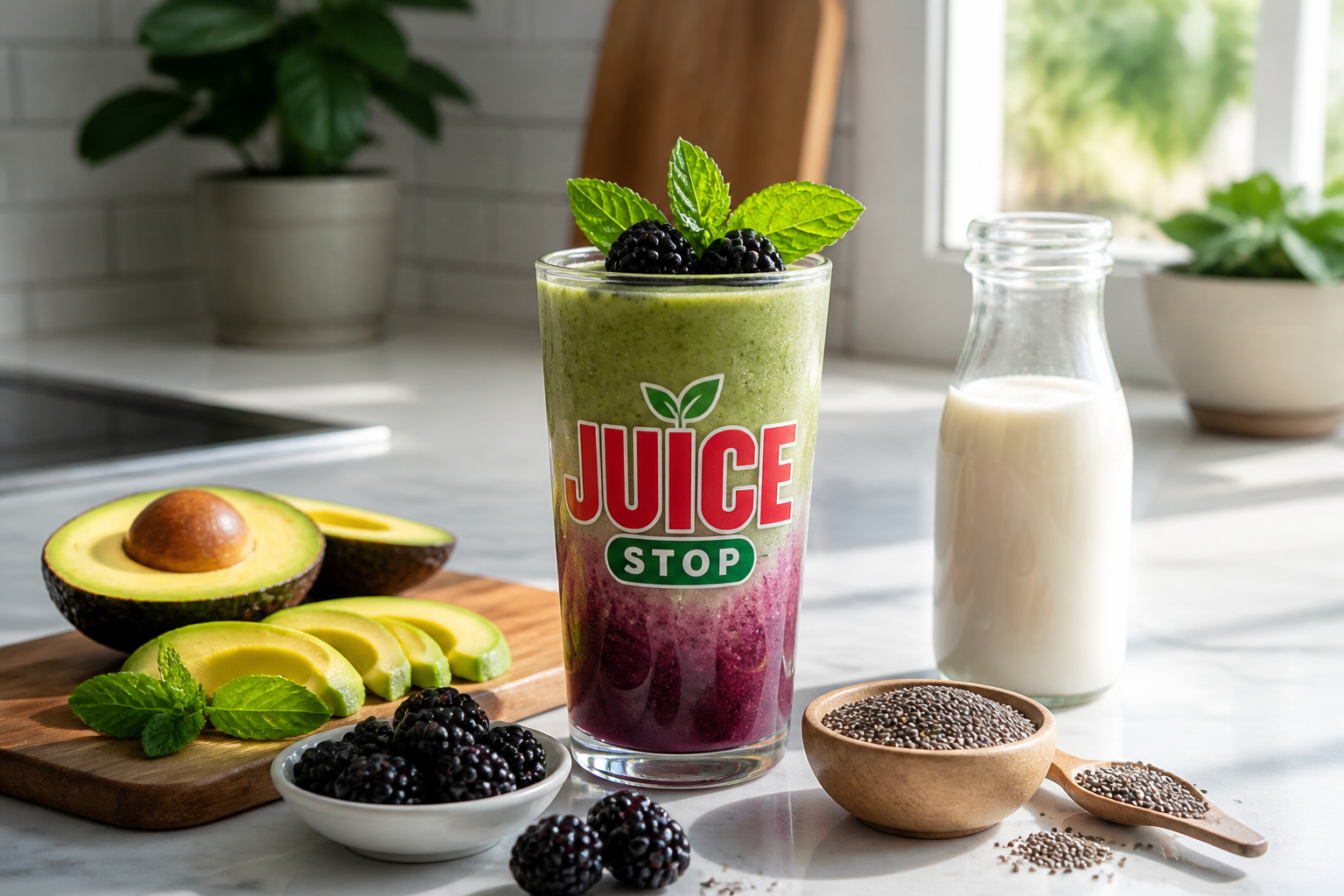
2. **The Fiber & Fat Base (1/4 to 1/2 cup):** Add fresh or frozen avocado chunks, two tablespoons of chia seeds, or two tablespoons of unsweetened almond or peanut butter.
3. **The Low-Glycemic Fruit (1/3 to 1/2 cup):** Use frozen wild blueberries, tart raspberries, fresh blackberries, or whole strawberries.
4. **The Greens (1–2 generous handfuls):** Pack in fresh baby spinach, tender chard, or half a cup of frozen riced cauliflower.
5. **The Clean Protein (1 scoop):** Incorporate an unsweetened or stevia-sweetened protein powder of your choice.
6. **The Flavor Accents (to taste):** Finish with a dash of cinnamon, a splash of pure vanilla extract, a pinch of sea salt, or a fresh squeeze of lemon or lime juice.
Layer your ingredients in the blender jar starting with the liquid first, followed by your powders, greens, nut butters, and finally your frozen fruits and ice on top. Placing the frozen elements furthest from the blade creates downward pressure that ensures a seamless, silky vortex without burning out your blender motor.
Troubleshooting Texture Issues
If your smoothie turns out too thick to sip, do not reach for fruit juice to loosen it up. Instead, add additional unsweetened almond milk or chilled water one tablespoon at a time while running the blender on low. If your blend is too thin or watery, add a tablespoon of chia seeds or a couple of frozen avocado chunks and blend on high for thirty seconds. The natural soluble fibers will quickly bind the liquid and restore that luxurious, frosty body.
Seasonal Low-Carb Blending in the Upper Midwest
Living in South Dakota means our nutritional cravings naturally fluctuate with the rhythm of the seasons. A refreshing, ice-cold beverage that sounds heavenly during a humid July afternoon along the Big Sioux River might feel less enticing when wind chill advisories sweep across Minnehaha County in January. Adapting your low-carb smoothie strategy to the calendar ensures that blending remains an appealing habit year-round.
Warming Autumn and Winter Blends
During the colder months, lean into warming culinary spices and rich, comforting flavor profiles. Cold temperatures naturally invite deeper, more satiating textures. Try blending cold brew coffee with unsweetened cocoa powder, heavy cream or coconut butter, cinnamon, and a dash of cayenne pepper for a keto Mexican hot chocolate shake served frosty cold.
You can also utilize room-temperature or lightly warmed liquids as the base for a soothing, spoonable smoothie bowl topped with toasted pumpkin seeds, unsweetened toasted coconut flakes, and a sprinkle of ground flax.
Crisp and Light Spring and Summer Coolers
When summer arrives, shift toward lighter, thirst-quenching profiles that highlight crisp hydration. Cucumber makes a stellar low-carb smoothie addition during warm weather; composed of over ninety-five percent water, peeled cucumber lends clean, cooling freshness that pairs effortlessly with lime juice, fresh mint leaves, baby spinach, and frozen strawberries.
Electrolyte management is particularly critical during active, outdoor summer months on a low-carb diet, as reduced insulin levels encourage your kidneys to release sodium and water more rapidly. Adding a generous pinch of high-mineral pink Himalayan salt to your post-run summer smoothie supports cellular hydration without altering the bright flavor profile of your drink.
Enjoy Fresh, Mindful Refreshment Every Day
Adopting a low-carb or ketogenic lifestyle does not require you to abandon the simple joy of an icy, freshly blended beverage. By moving away from refined syrups and high-glycemic juices and embracing real, nutrient-dense ingredients—like tart berries, rich avocados, nutrient-dense seeds, and clean proteins—you can enjoy vibrant smoothies that support steady energy and sustained focus throughout the day.
Whether you are experimenting with new combinations in your home kitchen or stopping by Juice Stop in Sioux Falls for a customized real-fruit refresher, keeping your wellness goals intact has never tasted better. Drink well, stay energized, and enjoy the refreshing benefits of mindful blending!